
.webp)







Most Buildings Don't Perform as Designed
Studies consistently show that a significant gap exists between a building's designed energy performance and its actual performance after occupancy. The reasons are varied — equipment not calibrated correctly, controls sequences that don't match design intent, occupancy patterns that differ from assumptions — but the common thread is that buildings are handed over to owners without adequate verification that systems are working as intended.
What Commissioning Actually Is
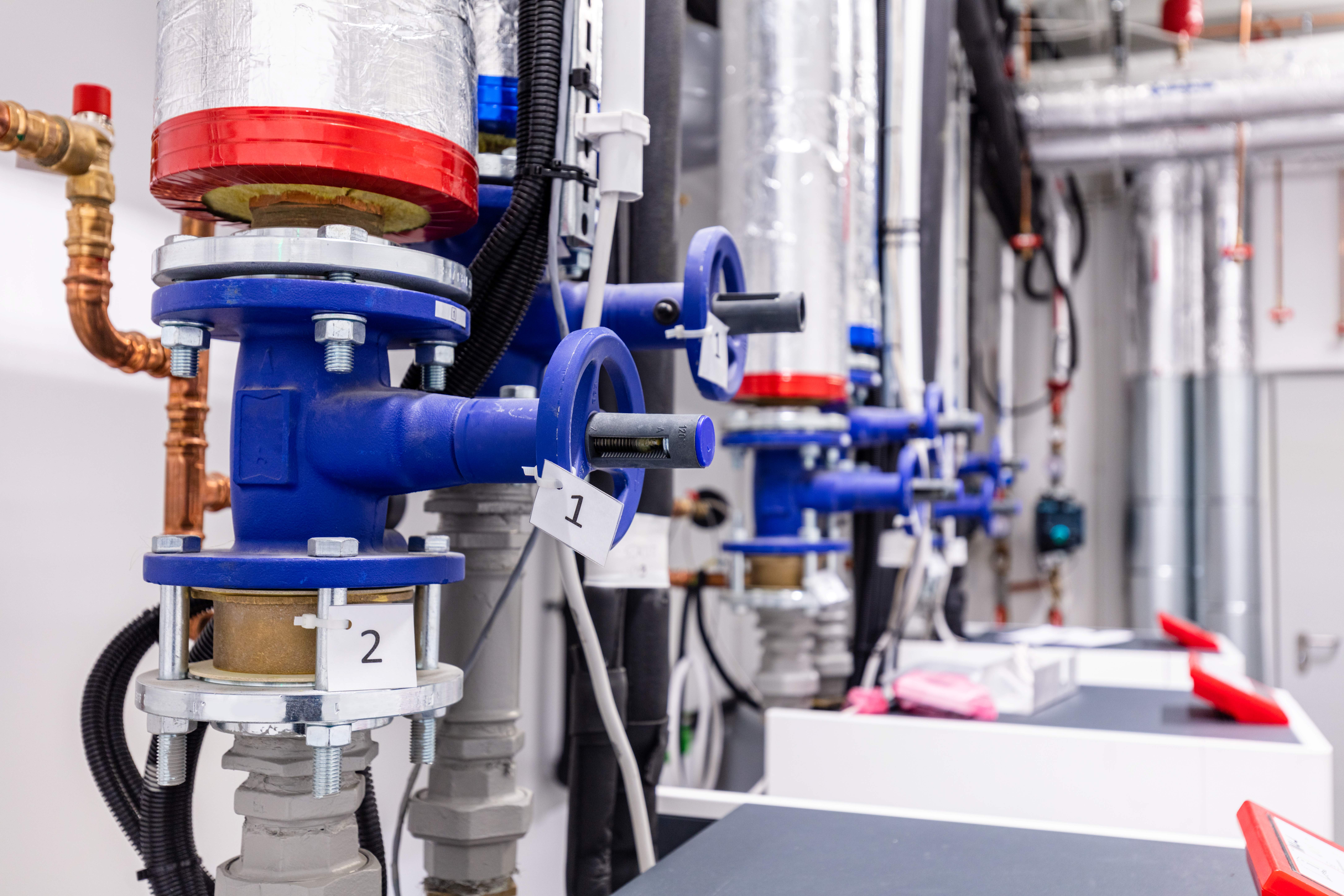
Commissioning (Cx) is a structured quality assurance process that verifies a building's systems are installed, calibrated, and performing in accordance with the owner's project requirements and the design intent. A proper commissioning process includes review of design documentation, factory witness testing, pre-functional testing during construction, functional performance testing after startup, and a post-occupancy review.
It's distinct from the contractor's startup and TAB (testing, adjusting, and balancing) work — though those are prerequisites. Commissioning is an independent verification that the whole system functions as a whole, not just that individual components are operational.
The Business Case
For most commercial and institutional buildings, commissioning pays for itself within the first few years of operation through energy savings and reduced maintenance callbacks. More importantly, it gives owners confidence that what they paid for actually works. When problems do emerge post-occupancy, a commissioning record provides a documented baseline to work from — which is far more valuable than starting a troubleshooting exercise from scratch.
We recommend commissioning on every project above a certain complexity threshold, and we're increasingly seeing it required by institutional owners and funding bodies as a condition of project approval.