
.webp)






Indigenous Relations
Design Works Engineering operates on lands across Canada that have been cared for by Indigenous peoples since time immemorial. The infrastructure, buildings, and environments we help create exist within a deeper cultural and historical context — and we treat that as a responsibility, not a footnote. Reconciliation isn't a box to check; it shapes how we engage, design, and build.
Our Commitments to Reconciliation
We are committed to building respectful, long-term relationships with First Nations, Métis, and Inuit communities — grounded in trust, transparency, and a genuine willingness to listen and learn. In alignment with the Truth and Reconciliation Commission of Canada's Call to Action 92, we commit to:
- Meaningful engagement with Indigenous communities on projects that affect their lands and people
- Educating our leadership and staff on Indigenous history, rights, and cultural awareness
- Supporting Indigenous-owned businesses through procurement and partnership
- Respecting Indigenous rights, self-determination, and community priorities
Respecting Culture and Tradition
We understand that every Nation and community has its own protocols, governance structures, and traditions. Our approach is to follow community guidance in all aspects of engagement, including:
- Seeking direction from Elders and Knowledge Keepers
- Honoring ceremony, language, and cultural practices
- Protecting sacred, cultural, and environmentally sensitive areas
- Incorporating Traditional Knowledge where communities wish it to inform design and planning
- Ensuring project schedules and processes respect community timelines and priorities
.webp)
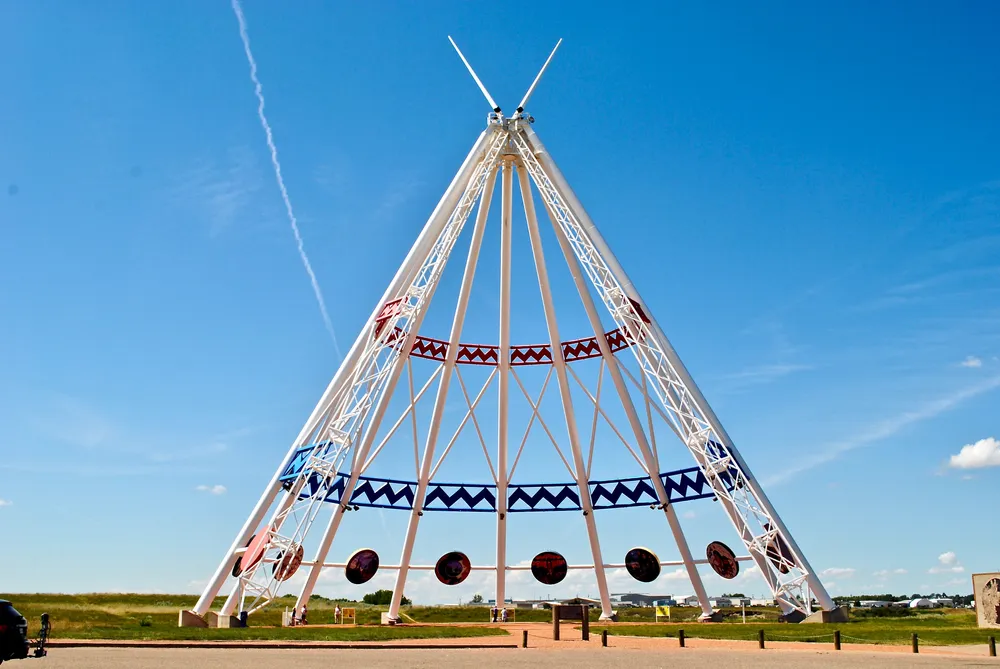
Community-First Approach
Too often in our industry, engagement begins after key decisions have already been made. We aim to work differently. Our firm is committed to early involvement with Indigenous partners so that:
- Community needs shape concepts from the outset
- Designs reflect local identity and tradition
- Budgets consider full life-cycle impacts on community operations
- Outcomes contribute to social and economic resilience
Whether the project is a recreation or healing centre, housing, or a public facility, the goal is the same: infrastructure that strengthens communities while respecting the lands it's built on.
Building Internal Understanding
To support these commitments, we are investing in:
- Indigenous cultural awareness training for all employees
- Leadership education on UNDRIP and Indigenous rights
- Engagement guidelines that prioritize respectful communication and accountability
Reconciliation requires more than good intentions. It requires informed people and consistent action.
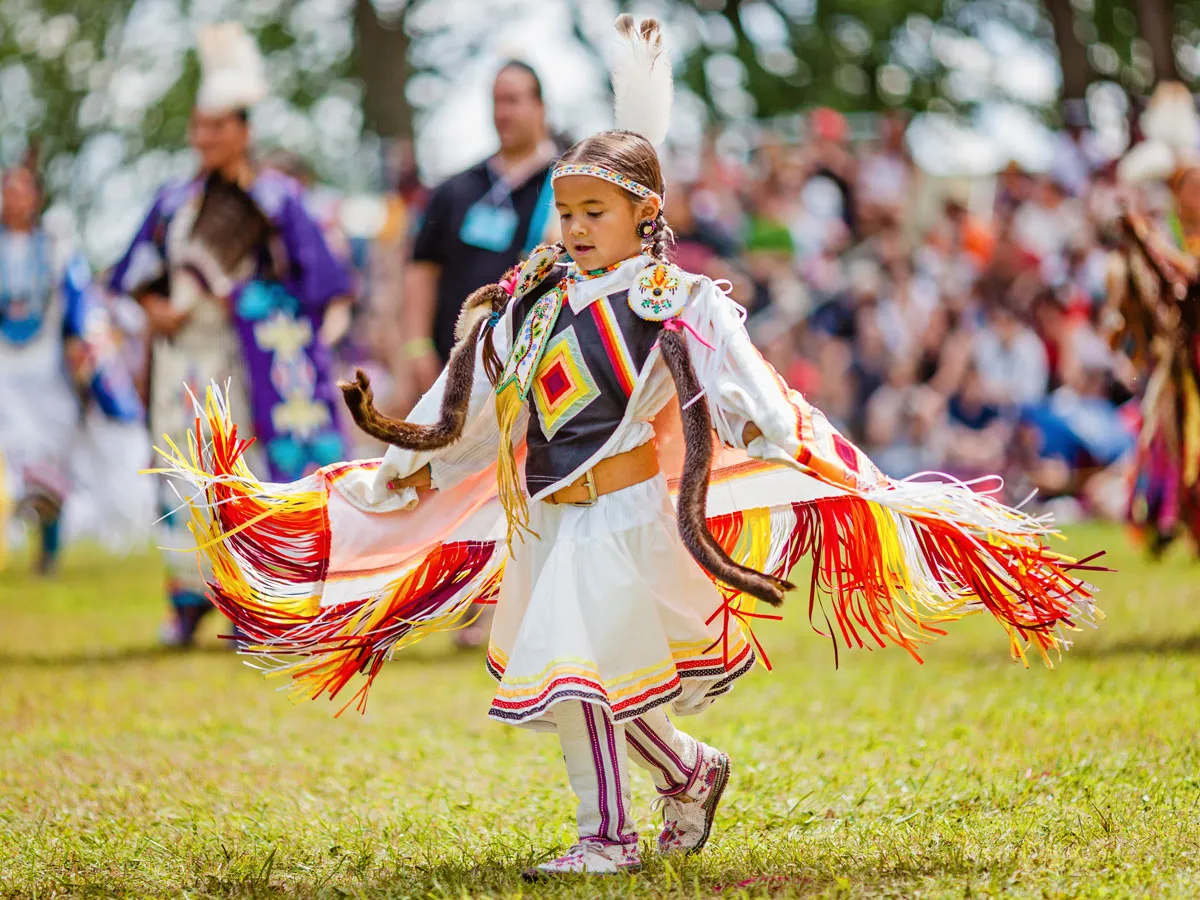
Looking Forward Together
Reconciliation is an ongoing process. We don't claim to have all the answers — but we are committed to being active participants in positive change.
Our role is to walk alongside Indigenous communities as partners — helping translate community visions into functional, sustainable, and safe infrastructure that honours tradition while serving future generations.